Posts

Universidat Autònoma de Barcelona's SLT society

Image
The Universidat Autònoma de Barcelona's SLT society 'Logopèdia Activa!' in action at a stall during the university's annual university celebrations raising awareness about SLT through activities and cakes. Showing also that student societies are a great way for SLT students to make connections with other students internationally. Check out this recent interview conducted by Chiara Vivaldi ( @VivaldiC ) with one of the students there.

Students and research: another perspective

Image
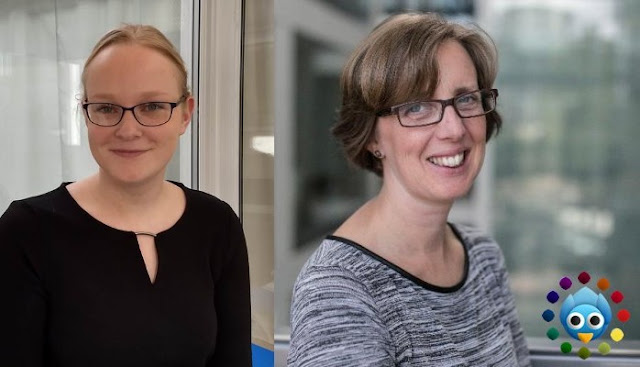
Thank you to Chiara Vivaldi ( @VivaldiC ) for producing the latest ResNetSLT blog post. Speech and language therapists are an international community, so having written previously about my own experiences of getting involved in research as a student, let me present you with a different perspective Paula is a final year speech and language therapy student at the Universidad Autonoma de Barcelona, in Spain. I interviewed Paula and asked her to share her views with ResNetSLT. Why did you get involved in research as a student? It started in class, hearing contradictory information, and wanting to seek out evidence to establish why these contradictions existed, and our lecturers' emphasise the use and need of research. At the end of the day we're doing therapy with people and therefore have a duty to be as informed as possible. How did you first get involved? Having a supportive lecturer was key, they saw my interest and offered me opportunities to get involved in existing research ...

The International Dysphagia Diet Standardisation Initiative (IDDSI): A global language for people with dysphagia

Image
Thank you to Sukhi Aujla ( @sukhpreet_aujla ) for producing the latest #ResNetSLT blog post. The Tweetchat on July 25th, 2018, focused on the implications of the United Kingdom adopting the standardised terminology agreed by the International Dysphagia Diet Standardisation Initiative (IDDSI) committee for texture modified foods and thickened liquids. Clinicians agreed on the importance and timeliness of IDDSI. The recent NHS Improvement (NHSi) Patient Safety Alert (June 27th, 2018) detailed a review of the National Reporting and Learning System (NRLS) incidents over a two-year period. They identified seven incidents where patients appear to have come to significant harm because of confusion over the meaning of 'soft diet'. Inconsistency in labels used for diet and fluid modifications can therefore be linked to episodes of patient ill-health or death. Three years of ongoing work by the IDDSI Committee has culminated in a final framework consisting of a continuum of eight lev...

Tweetchat: Validity, reliability and generalisability in qualitative research

Image
The eighth #ResNetSLT Tweetchat of 2018 took place place on Wednesday, 26th September. The chat was hosted by Milly Heelan ( @heelan_phd ) and Chiara Vivaldi ( @VivaldiC ) and was based around the discussion paper: Validity, reliability and generalisability in qualitative research . Please click here to view the pre-chat overview and questions. We had 27 people actively tweeting and using our hashtag #ResNetSLT, with many others also watching and retweeting the conversations. There were 180 tweets in total during the hour, with a 'reach' to over 178,402 linked Twitter accounts. We were joined by people with a range of backgrounds in qualitative research, from seasoned researchers to those trying it for the first time. All agreed that qualitative research is invaluable as it can push forward improvements in healthcare delivery by answering questions that are not within the scope of quantitative research. A discussion of the challenges involved in reading and applying qualita...

Scientific Conference: From research to practice - Across nursing, midwifery and health sciences

Image
The date is finally here! This Thursday we are co-hosting our innovative conference event in Bochum, Germany (September 20th, 9.00am – 4.45pm UK time). We hope as many of you as possible will join us online – on Twitter and Facebook. This is a unique interdisciplinary and international event to promote applied clinical research across the NMAHP professions, and includes invited presentations from a wide range of our UCLan Faculty staff. Video recording of all the speakers will be uploaded onto the dedicated webpage after the event, plus 15 dynamic e-posters featuring collaborative projects between our local clinical services and members of our Faculty. There is an exclusive Facebook Group that will be live between 20th – 27th September, so please log in to add your own comments . Please follow the conference on Twitter, remembering to use the hashtag #hsgBochumUCLan2018 and follow all the Twitter accounts in the image above.

Tweetchat: The International Dysphagia Diet Standardisation Initiative (IDDSI) framework - the Kempen pilot

Image
The seventh #ResNetSLT Tweetchat of 2018 took place on Wednesday, 25th July (7.30 – 8.30pm UK time). The chat was hosted by Sally Pratten ( @salpratten ) and Lucy Talbot ( @lucyjtalbot ) and was based around this paper: The International Dysphagia Diet Standardisation Initiative (IDDSI) framework: the Kempen pilot . You can find the paper summary and question prompts here . This was a very busy chat where experienced practitioners exchanged insights and advice from a wide range of clinical settings. The full transcript of the discussions can be found via this link . To see who took part in the chat you can find the link to the Tweetchat stats here . Thanks to our chat hosts, and to everyone who took part. We're looking forward to our next #ReSNetSLT chat on the last Wednesday in September, after our summer break. Hope to see you then!

Brag and steal: Sharing stories of research and EBP at the RCSLT Research Champions workshop 2018

Image
Thank you to Katie Chadd ( @Katie_Chadd ) for producing the latest ResNetSLT blog post. The Royal College of Speech and Language Therapists have an established network of SLTs who are committed to striving "to ensure that speech and language therapy is an evidence-based, research-active profession, bringing together research and clinical practice" which is achieved by working in partnership with the RCSLT and wider research networks. The network celebrated its increase in strength and numbers (now 273 SLTs) and the remarkable achievements of our therapists at a workshop held in London in July. Two core aims of the day were to provide therapists with the opportunity to: Share good practice initiatives to support evidence based practice Develop contacts within the network to support research and development work The format of the day varied and we incorporated presentations, a panel session, group activities, invited guest speakers, lightning talks, a poster exhibition, and pr...

Tweetchat: Using Twitter for education - Beneficial or simply a waste of time?

Image
The sixth #ResNetSLT Tweetchat of 2018 took place on Wednesday, 27th June. The chat was hosted by Sophie Chalmers ( @SChalmersSLT ) and Chiara Vivaldi ( @VivaldiC ) and was based around this paper: ' Using Twitter for education: Beneficial or simply a waste of time? ' Please click here to view the pre-chat overview and questions. We had 24 people actively tweeting and using our hashtag #ResNetSLT , with many others also watching and retweeting the conversations. There were 190 tweets in total during the hour, with a 'reach' to over 139,817 linked Twitter accounts. It was fantastic to see people interacting in the conversation from across the globe! The debate included students, educators, supervisors, university lecturers and clinicians - the one thing everyone agreed on was that no matter the stage of your career, Twitter is great for accessing information, resources and networking across specialisms and geographies. We had great examples of students actively network...

Clinical academic networks

Image
Thank you to Katherine Broomfield ( @KathBroomfield ) for producing the latest ResNetSLT blog post. As a speech and language therapist I accessed networks that were directly related to my clinical area. I joined special interest groups/clinical excellence networks and attended meetings to access shared learning and information which informed my clinical practice. With regards to broader networks, I couldn't really understand how people outside my organisation or specialism would be able to help me within my role as a speech and language therapist. When I started my PhD in April 2017, and living 200 miles away from my University, I realised I would need support that I couldn’t access in my local, rural environment. I started scouting about for sources of support on the internet and I found other clinical academics were discussing their research, clinical interests and wider concerns via social media. I wanted to join in, but I wasn't really sure how to start. I lurked, liked, c...

Tweetchat: A cross sectional observational study of research activity of allied health teams - Is there a link with self-reported success, motivators and barriers to undertaking research?

Image
The fifth #ResNetSLT Tweetchat of 2018 took place on Wednesday, 30th May. The chat was hosted by Elicia Jones ( @EllieJSLT ) and Victoria Wadsworth ( @victoriawad ) and was based around this paper: ' A cross sectional observational study of research activity of allied health teams: is there a link with self-reported success, motivators and barriers to undertaking research? ' It was a busy hour with 30 participants joining in and sharing their ideas and experiences of research activities within and as part of teams. Participants presented with a wide range of roles, including those completing research as clinical practitioners and those whose job roles are based in academia and research. Also, those who had 'some' dedicated time to pursue research and/or were provided with back-fill and those who were working without any ring-fenced allocated 'time' for research. It was great to see so many people engaged in the discussion and from various locations around the w...

ResNetSLT presentations at 10th European Congress of Speech and Language Therapy

Image
Our #ResNetSLT workshop on 12th May attracted a packed room of approximately 60 delegates from many different countries. The show of hands indicated a high number of student SLTs ( #SLT2B ) in the audience, together with educators, clinical practitioners and researchers. Please click here to access a copy of the presentation slides that include links for other relevant resources and recommendations for many names to follow on Twitter. We briefly explained how the #ResNetSLT Twitter journal club runs, and that a German version has been launched. We heard about plans for a new journal club on Twitter between Netherlands and Sweden, and #ResNetSLT offered some advice and assistance based on our experience over the past two years. It was great to hear that SLT students and practitioners are increasingly using Twitter in many languages to share research and professional discussions – as well as other social media platforms. For anyone interested in getting started on Twitter for the first...

Why get involved in research whilst studying?

Image
Thank you to Chiara Vivaldi ( @VivaldiC ) for producing the latest ResNetSLT blog post. As a full-time speech and language therapy student I know there are a million and one things to stay on top of (and I'm doing the undergraduate course, I can't imagine what it's like for Masters students!) So why would you want to add getting involved in research to the list? In my case, one reason I have chosen speech and language therapy as a career is the possibility of combining clinical and academic practice, of placing yourself at the exciting and complicated juncture where academic research meets clinical practice. I've been involved in two research projects so far, which have each required only a relatively little of my time. On the practical side, being involved has honed my assessment scoring skills (never a bad skill to practice), and given me a sense of the logistics of running a research project. The research academics have always been more than willing to answer any que...

Tweetchat: An introduction to implementation science for the non-specialist

Image
The fourth #ResNetSLT Tweetchat of 2018 took place on Wednesday, 25th April. The chat was hosted by Amy Hilton ( @AmySlt ) and Sally Morgan ( @sallymorganslt ) and was based around this paper: ' An introduction to implementation science for the non-specialist '. The pre-chat overview and questions can be viewed here . The Tweetchat was very fast-paced, with many threads of conversations occurring simultaneously with representation from SLT students, SLTs at different careers stages, as well as those working in research, and participants from other countries. The average number of tweets was the highest number so far this year, potentially indicating the level of interest and engagement in the topic. Our Twitter 'impressions' were again over 300,000, with continued reach evident across the world, including an Australian contingent the following day. It seemed those with a research background were familiar with the term 'implementation science' as a minimum. Howe...

Tweetchat: Using Twitter to access the human right to communication for people who use Alternative and Augmentative Communication (AAC)

Image
The third #ResNetSLT Tweetchat of 2018 took place on Wednesday 28th March. The chat was based around the paper: ' Using Twitter to access the human right to communication for people who use Alternative and Augmentative Communication (AAC) '. It was hosted by Katherine Broomfield ( @kathbroomfield ) and Elicia Jones ( @EllieJSLT ). The pre-chat overview and questions can be viewed here . It was great to see so many people engaged in the conversation, with over 30 actively tweeting and using our hashtag #ReSNetSLT from various places around the world! Our Twitter 'impressions' went up by almost 100,000 which was amazing too, as this indicates the potential reach of our online conversations and exchange of ideas. There is still some evident uncertainty over whether we should be using social media which was interesting, but probably unsurprising as this is still such new territory. Thanks to everyone who shared their own experiences of using Twitter including with people w...

Wilkommen! Va bene?

Image
Thank you to Hazel Roddam ( @HazelRoddam1 ) for producing the latest ResNetSLT blog post. Have you seen all our new international friends who've started joining us on #ReSNetSLT? It's been exciting to 'tweetmeet' with a growing number of new connections from across mainland Europe. A special warm welcome to Germany and Italy, who have been very active in joining our recent monthly Twitter journal club discussions. This is such a great opportunity for immediate real-time contact with colleagues with no barriers of geography, or professional discipline. I've just heard a new phrase today - 'connectography, not geography'. That seems so appropriate for us! Do you like it? Here's some news about a unique conference in September - watch the video clip to hear more. We're bringing together practitioners and academics in nursing, midwifery and health sciences from all around Europe to share inspiring examples of applied research to change practice. Please ...

Tweetchat: Allied health research positions: a qualitative evaluation of their impact

Image
The second ResNetSLT Tweetchat of 2018 took place on Wednesday, 28th February. The chat was hosted by Amy Hilton and Hazel Roddam and was based on this paper: ' Allied health research positions: a qualitative evaluation of their impact '. The findings in this research highlight the value of allied health profession (AHP) clinical research positions. Please click here to view to pre-chat overview and questions. We had 21 people actively tweeting and using our hashtag #ResNetSLT, with many others also watching and retweeting the conversations. There were 238 tweets in total during the hour, with a 'reach' to over 213,000 linked Twitter accounts. Thanks so much to Caroline Bowen  in Australia for saying 'hello' at the start of our chat. It was really exciting to hear comments from Germany and Italy, sharing their experiences from differing work settings. It seems that there are still only a small number of allied health research positions established in UK prac...

My experience (so far) of a clinical-academic research role

Image
Thank you to Millie Heelan ( @heelan_phd ) for producing the latest ResNetSLT blog post. In October 2016 I took up an opportunity of a clinical doctoral research fellowship. This involves four years of funding to work two days a week as part of an adult acute SLT team and three days a week conducting a PhD study. Further information on conducting a clinical doctoral research fellowship can be found here . This opportunity has been a great learning curve to date, embracing the academic world, research methods and meeting an inspiring range of people interested in changing future practice for our patients. One thing that is very important when conducting a PhD, as well as in clinical practice, is keeping up to date and knowledgeable about research happening in your area. Here are a few ideas to remain current within your field: Get in touch with your trust library service. They are experts in creating the right search terms. They will help to successfully find publications to help answe...

Tweetchat: Thinking together - What makes Communities of Practice work?

Image
The first #ResNetSLT Tweetchat of 2018 took place on Wednesday, 31st January. The chat was based around the paper ' Thinking together: What makes Communities of Practice work? ' and was hosted by Sally Pratten ( @salpratten ) and Lucy Benjamin ( @lucybenjaminSLT ). The paper discusses the development of 'Communities of Practice' (CoPs) of healthcare practitioners, and how these work effectively. Two case studies of communities of practice were considered - one thriving and high achieving, and the other less successful. The pre-chat questions can be viewed here . The chat drew 37 participants from Gloucestershire, Bristol, London, Surrey and the North West of England. The hour sped by, with a very lively discussion of the highly topical chosen paper about CoP. The first and last questions seemed to elicit the most discussions - people seemed to be more engrossed in discussion during questions two and three and actually naturally seemed to move on to these without much ...

Happy New Year from the 2018 ResNetSLT Action Group

Image
Thank you to Sophie Chalmers ( @SChalmersSLT ) for producing our first blog post of the year: We start the year by bringing you 'ResNetSLT Wednesdays', providing regular updates for research news you will definitely not want to miss. With a dedicated group of 23 members, we have exciting plans for 2018 with monthly 'Tweetchats' discussing a range of interesting papers related to implementing the evidence-base in clinical practice. Join the chat on Twitter on the last Wednesday of every month 7.30-8.30pm UK time. We'll be posting some questions in advance each month, with the link to the paper, plus a summary posted afterwards on our blog site. You can also keep up to date with our additional news blogs every second Wednesday of the month. And hopefully we'll start to see some comments being added in response – please feel free to join in. Have you made your New Year's Resolutions? Personally, I do not usually set myself New Year's resolutions however 20...

NEW ResNetSLT Action Group

Image
In August 2017 we published an invitation for volunteers to join us to form a new ResNetSLT Action Group. We were delighted with the response and now look forward to a very active year ahead in 2018 - the new team will help us to refresh the way we can provide relevant research resources, activities and advice. We will restart our monthly Twitter discussion forum (book your diary now for last Wednesday of every month 7.30pm – 8.30pm UK time). We'll post a regular summary of our Twitter chats here on the blogsite, so everyone can keep updated even if you're not (yet!) on Twitter. And in addition we have planned to have monthly features and news items on our blogsite (second Wednesday of the month). So please remember to start checking our blogsite more often – make it 'ResNetSLT Wednesday' – and let's start getting more interactive. Be one of the first post a comment on our pages to share your thoughts with us! And thanks are due to the RCSLT Research team for all th...